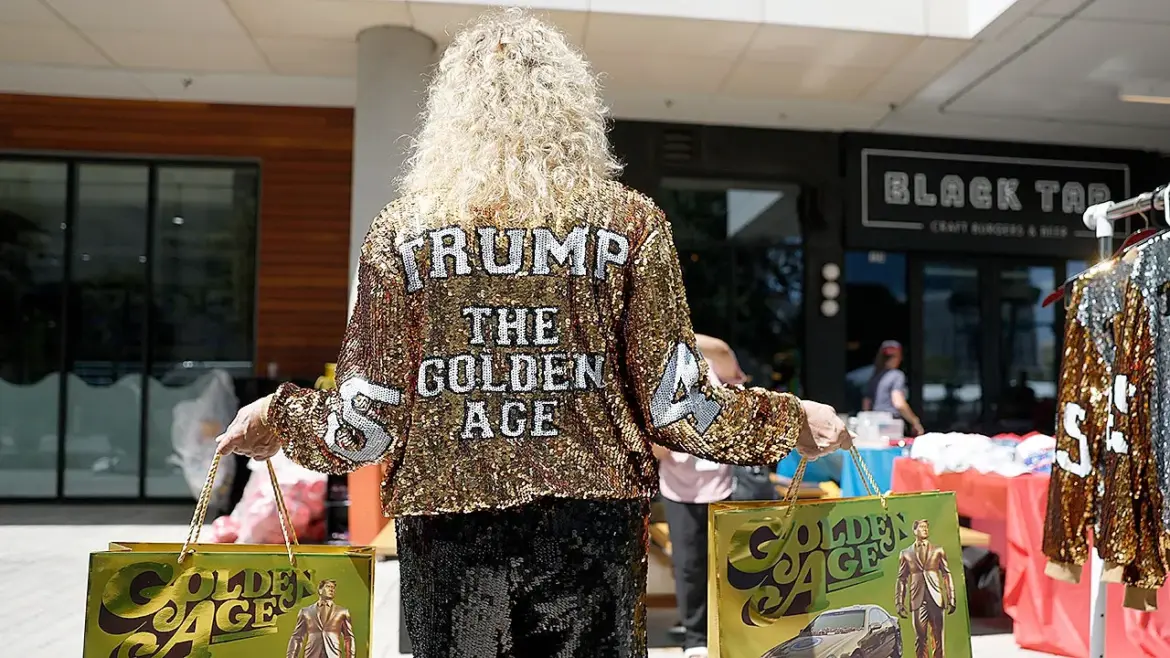
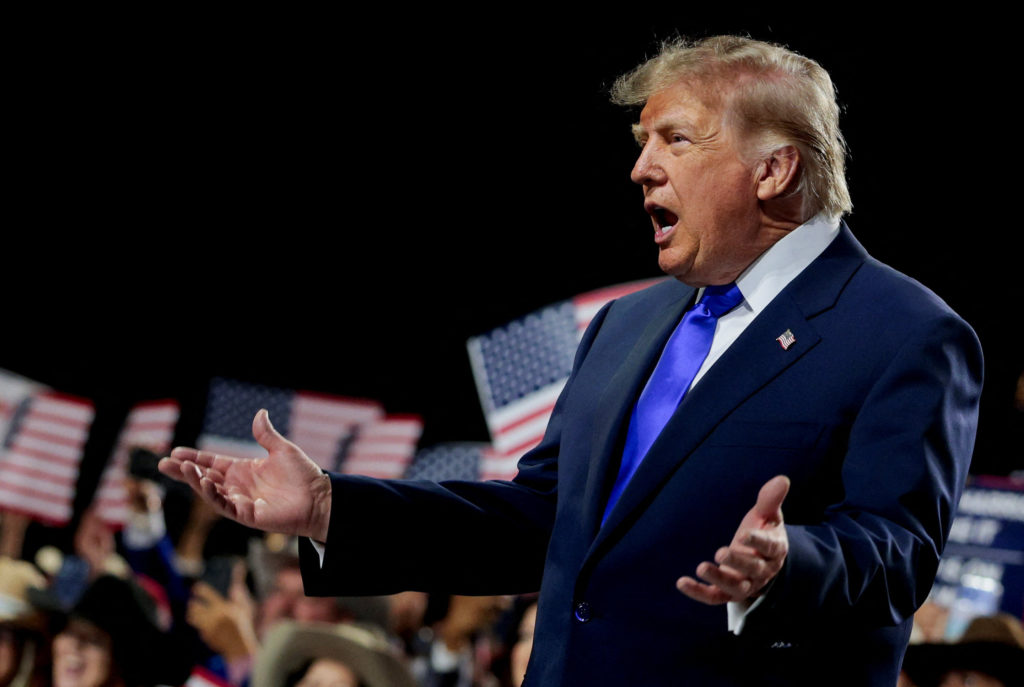
Donald Trump has sparked a fresh wave of debate after promising to send every adult American citizen a 5,000 dollar check if Republicans maintain control of both the House and Senate following the midterm elections. Speaking at the Republican Midterm Convention in Dallas, the former president described the payment as the Trump dividend, arguing that because the United States is experiencing tremendous economic success and making so much money, it should distribute funds to its citizens much like a company pays dividends to its shareholders.
Despite the bold rhetoric, economists warn that the logistics of such a payout face staggering hurdles. With roughly 245 million adult citizens in the U.S., the total cost would reach approximately 1.2 trillion dollars. While Vice President JD Vance suggested that tariff revenue could help fund these payments, data from the Tax Foundation suggests otherwise. Analysts point out that current tariff projections would likely fall short of covering even smaller previous promises, noting that this newest proposal would essentially consume nearly all projected tariff revenue for an entire decade.
Beyond the mathematical challenges, any such distribution would require official congressional approval rather than a simple executive order. Some GOP lawmakers have already signaled their intent to introduce legislation to fast track the payments after November, but critics argue that adding trillions to an already unstable national deficit could trigger severe inflation or a broader debt crisis. Former IMF chief economist Kenneth Rogoff warned that such a move could significantly increase the likelihood of a financial crisis within the next five years.
Legal experts suggest that while actually delivering on the promise may be difficult, simply pledging it during a campaign is legally permissible under First Amendment protections. Professors specializing in election and corporate law noted that candidates frequently propose sweeping fiscal changes—such as tax cuts or social program expansions—without violating anti corruption laws. However, skeptics remain wary, pointing toward past pledges including those tied to efficiency savings and earlier tariff dividends that never materialized for voters.